Michigan's Musical Connection: Del Shannon
 This long overdue entry in the wildly popular series, Michigan's Musical Connection, focuses on Del Shannon.
 Del Shannon (December 30, 1934 – February 8, 1990) (born Charles Weedon Westover in Coopersville, Michigan) was an American rock and roller who launched into fame with the No. 1 hit "Runaway" (1961). The song introduced the musitron, an early form of the synthesizer played by "Runaway" co-writer and keyboardist Max Crook.Here's a snip from the Rock and Roll Hall of Fame's web site about Shannon.
Shannon followed with "Hats Off to Larry", another big hit, and the less popular "So Long, Baby", another song of breakup bitterness. "Little Town Flirt", released in 1962, reached #12 in 1963 as did the album of the same name. After these hits, Shannon was unable to keep his momentum in the US, but became a sensation in England. In 1963, he became the first American artist to record a cover version of a Beatles song with "From Me to You".Shannon returned to the charts in 1964 with "Handy Man", "Do You Wanna Dance", "Keep Searchin'", and "Stranger in Town" (1965), the latter two songs themed about flight from pursuit in a dangerous world. A 1966 chart offering was Shannon's cover of the Rolling Stones' "Under My Thumb". In the late 1960s after a dry spell of hits, he turned to production. In 1969, he discovered a group called Smith and arranged their hit "Baby It's You". He then produced his friend Brian Hyland's million seller "Gypsy Woman" in 1970. More from Wikipedia.

Del Shannon is a key figure in rock and roll’s transition from the Fifties to Sixties, serving as something of a link between Elvis and the Beatles. He was among the relatively few self-reliant rock and rollers of the Teen Idol era. He wrote his own material, played guitar and sang, and did not project a manufactured image. Shannon turned out a solid run of hits during the first half of the Sixties, including one bonafide classic ("Runaway") and seven more Top Ten singles. He also gave and received influence from the up-and-coming bands of the British Invasion, including the Beatles. More from RnRHoF
Labels: Michigan's Musical Connection
posted by Dave Stone at
3/26/2007
0 Comments


 Though it has been sporadic lately, due largely to holiday travel, here is this week's edition of Michigan's Musical Connection. Today's artist spotlight takes into the genre of Rockabilly music. As a form of musical expression, Rockabilly is a hybrid between traditional country music, early rock and roll, swing music, and "doo-wop" musical flavors.
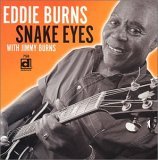 Eddie grew up in the small Mississippi Delta towns of Wells and Dublin, where he heard country blues recordings in his grandfather's juke joint and listened to his father play blues on harmonica, guitar, and piano. His greatest influences from country blues recordings came from Tommy McClennan, Memphis Minnie, and Big Bill Broonzy on guitar and from John Lee "Sonny Boy" Williamson on harmonica. The harmonica was Eddie's first instrument as a boy. Playing "one string guitar" on the side of the house led Eddie to playing the six-string guitar.

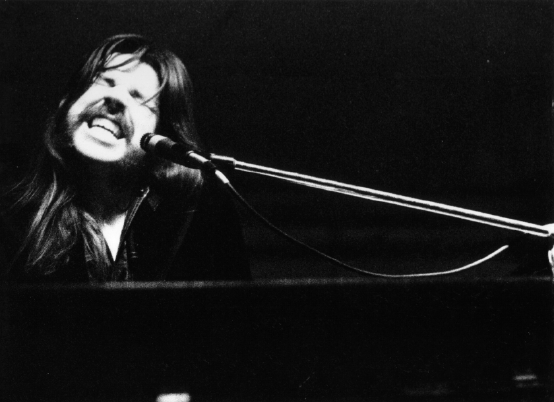
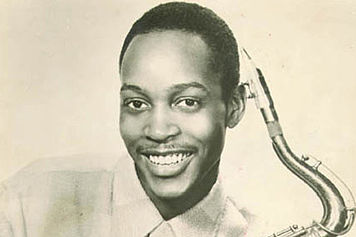
 Here's a clip from
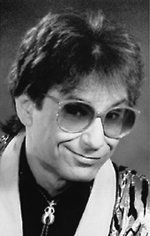
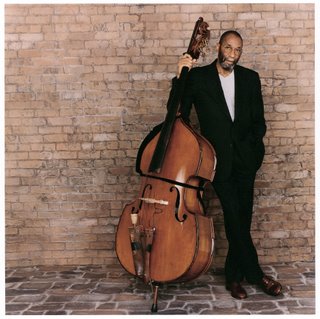 Ron Carter, as you will read from some bio information I found, has appeared on over 2000 recordings and performed with the likes of Miles Davis, McCoy Tyner, Stanley Turrentine, Eric Dolphy, Stan Getz, Herbie Hancock, Milt Jackson, and many others.